


Trauma Recovery in Lafayette: When to Seek Professional Help

Updated: Jan 27
Trauma changes you. Whether you've survived a car accident, assault, loss of a loved one, natural disaster, combat, medical crisis, or any other overwhelming event, trauma leaves an imprint on your nervous system, your emotions, and your daily life. In the immediate aftermath, some level of distress is completely normal and expected.
But when those initial reactions don't fade, when nightmares persist for weeks, when anxiety or numbness becomes your constant companion, when you can't concentrate at work or maintain relationships, that's when you need to recognize that professional help isn't just helpful, it's essential.
This guide walks you through the signs that trauma recovery has stalled, the timelines for healing, and why seeking professional help in Lafayette could be the turning point your trauma recovery needs.
Understanding Trauma and Its Aftermath
Trauma is more than a single event. It can encompass one-time experiences like a car crash or a violent assault or prolonged and complex stressors such as childhood abuse, chronic neglect, repeated losses, or ongoing instability.
Some of the common ways trauma manifests include:
Persistent intrusive memories or flashbacks
Nightmares or sleep disturbances
Emotional numbing, dissociation, or feeling “detached” from reality
Intense fear, anxiety, hypervigilance, or exaggerated startle responses
Mood disturbances — depression, irritability, guilt, shame, or loss of hope
Difficulty trusting others, forming relationships, or feeling safe
Avoidance of reminders, social isolation, or withdrawal
Physical symptoms — headaches, fatigue, digestive issues, rapid heartbeat, or unexplained pain
These reactions may be temporary and mild, resolving over days or weeks. But when they persist affecting your work, relationships, mental health, or overall quality of life — it may signal the need for professional trauma-informed care.
How Common Is Trauma and Trauma-Related Disorders?
Trauma is far more common than many realize. Global and U.S.-level data highlight its prevalence:
According to the World Health Organization (WHO), around 70% of people worldwide will experience at least one potentially traumatic event during their lifetime.
Yet only a portion of those exposed to trauma develop long-lasting conditions such as PostTraumatic Stress Disorder (PTSD). Globally, it's estimated that around 5.6% of people ever develop PTSD.
In the U.S., lifetime PTSD prevalence among adults is roughly 6.8%, according to a large national survey.
Each year, about 3.6% of U.S. adults meet criteria for PTSD.
These numbers reflect the broader impact of trauma but they also highlight a key truth: trauma doesn’t always lead to PTSD. Many people recover naturally, especially with support. But when trauma lingers — interfering with life and well-being that’s a strong signal to consider professional support.
When to Seek Professional Help: Key Indicators
While individual experiences vary widely, mental health professionals generally agree on certain warning signs that indicate it’s time to consider therapy or professional intervention.
Sign / Symptom | Why It Matters / What It Shows |
Persistent intrusive memories, nightmares, flashbacks, or recurring distressing thoughts beyond 2–4 weeks | Normal acute stress reactions should subside; persistence may indicate developing PTSD or trauma disorder. |
Avoidance — avoiding people, places or activities tied to the trauma; emotional numbness or detachment | Avoidance interferes with healing and daily functioning, often trapping individuals in a cycle of fear or isolation. |
Mood shifts — intense anxiety, depression, anger, guilt, shame, irritability, or emotional instability | Emotional distress can worsen over time, impair relationships and daily life, and needs therapeutic intervention. |
Sleep problems, physical symptoms (headaches, chest pain, digestive issues), hyperarousal (jumpy, constantly “on edge”) | Trauma often manifests physically — untreated, it may impact physical health, not just mental health. |
Functional impairments — difficulty concentrating, working, studying; disrupted relationships; withdrawing or isolating socially | When trauma affects your ability to function, it’s a sign that self-coping isn’t enough. |
Self-destructive or risky behaviors — substance misuse, self-harm, reckless behavior, risk-taking to numb pain or escape distress | These are serious signals that trauma is overwhelming coping ability — professional help can provide safer coping strategies. |
Not improving over time — months after the trauma, symptoms persist, worsen, or new symptoms emerge | Natural recovery may stall; therapy can interrupt harmful patterns and promote healing. |
Trauma from childhood, repeated or complex trauma, or multiple traumatic events | Complex trauma often requires structured, trauma-informed therapy for effective healing. |
As described by professionals in trauma-informed care, if symptoms persist beyond a month, worsen, or disrupt daily function — that’s a clear signal to seek help.
The Reality: Many People Don’t Get Help
Despite the prevalence of trauma and PTSD, many people who need care don’t receive it — or receive care too late. Key findings:
A large analysis of global data found that only 43% of people with PTSD in a 12-month period had any contact with mental-health services, and far fewer received what would be considered “adequate treatment.”
In many cases, individuals wait years before seeking care — delaying recovery, prolonging distress, and risking chronic issues.
Barriers such as lack of awareness, stigma around mental health, cost, or lack of access to trained professionals keep many from seeking help even when they need it.
Given how common trauma is, and how effective evidence-based therapy can be — timely help can make a significant difference.
How Professional Trauma Therapy Helps: What to Expect
Professional trauma therapy is ideally from a trauma-informed, licensed provider can offer structured, evidence-based support that goes far beyond “talking it out.” Here’s how therapy can help you reclaim life:
Safe Processing & Integration of Traumatic Memories: Instead of suppressing or avoiding memories, therapy helps you process them safely. This reduces emotional intensity and intrusive symptoms.
Stabilization & Coping Skills: Therapists help you build coping skills, grounding techniques, emotional regulation, and safe routines to manage distress.
Reduction in PTSD Symptoms: With appropriate treatment, many clients experience fewer flashbacks, nightmares, anxiety, hyperarousal and improved mood and functioning.
Improved Daily Functioning: Therapy helps restore balance in work, relationships, sleep, and self-care, enabling better overall quality of life.
Support for Complex and Long-term Trauma: For repeated or childhood trauma, therapy provides space to address deep-rooted issues, build resilience, and re-establish a sense of safety and identity.
Preventing Further Harm & Risk Behaviors: Therapy can reduce the likelihood of self-harm, substance misuse, or other destructive coping. This promotes healthier, more adaptive responses.
Building Healthy Relationships & Support Systems: Trauma often isolates individuals — therapy can help rebuild trust, connection, and meaningful interpersonal relationships.
In short: professional trauma therapy offers more than relief; it restores the capacity to live fully and meaningfully.
What Trauma-Informed Therapy Could Look Like in Lafayette
If you live in or near Lafayette, LA, and choose to seek help, here’s how the process might work:
Initial Assessment & Intake: A trained therapist gathers your trauma history, symptoms, life situation, strengths, and support network helping tailor a plan for healing.
Stabilization & Safety Planning: Before diving into trauma processing, you build coping strategies, emotional regulation skills, safe routines, grounding, and self-care to ensure emotional safety.
Trauma Work / Processing: Through evidence-based modalities (like trauma-focused therapy, EMDR, internal family systems, narrative therapy, etc.), your therapist helps process trauma in a safe, structured way. This gradually reduce distress and desensitize triggers.
Integration & Healing: As memories lose power and distress fades, therapy helps integrate new meaning, rebuild self-esteem, reconnect with relationships, reestablish boundaries and restore sense of agency.
Maintenance & Aftercare: Healing doesn’t always follow a straight line. Periodic check-ins, coping-skill refreshers, and support for future stressors help maintain progress.
Support for Related Issues: Therapy may also address anxiety, depression, substance use, relationship issues, or ongoing life stress. This treats whole person, not just trauma symptoms.
At Tree of Life Counseling and Consulting, the focus is on compassionate, trauma-sensitive care, making sure you feel supported, heard, and safe throughout the healing journey.
When to Act: Timing Matters
While immediate help is crucial in crises (suicidal thoughts, self-harm, severe dissociation, violence, or acute distress), there are critical windows for seeking therapy beyond emergency situations.
If symptoms persist beyond 4–6 weeks without improvement, or worsen over time.
If trauma impairs daily functioning — work, relationships, school, sleep, mood, or self-care.
If triggers — reminders, anniversaries, smells, sights — cause distress or avoidance.
If coping strategies (isolation, avoidance, substance use) are becoming harmful.
If trauma is cumulative or repeated, or origins are from childhood — often requiring deeper, long-term care.
If you feel “stuck,” unable to move forward, or sense that you’re carrying unresolved pain.
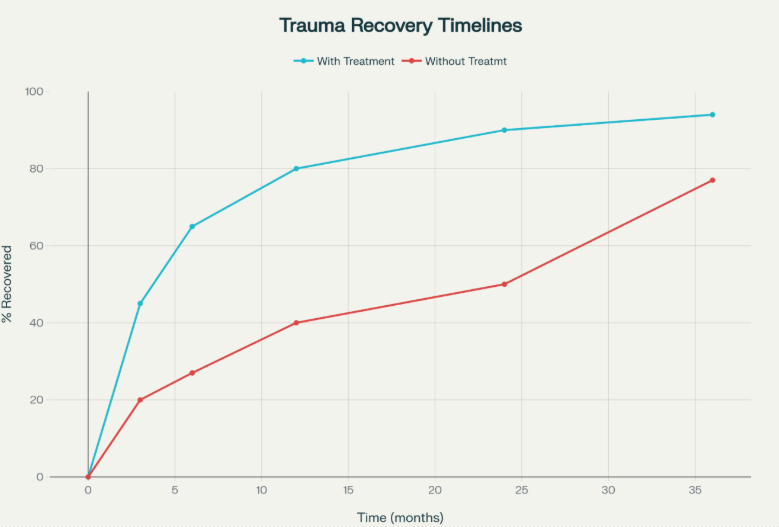
Delaying professional help can increase risk of chronic PTSD, depression, comorbid conditions — and make recovery longer and harder. Early, trauma-informed therapy can interrupt harmful cycles and improve long-term outcomes.
Who Should Consider Trauma Therapy — Not Just “Trauma Survivors”
Trauma therapy isn’t just for people who experienced major, dramatic events. Many people benefit and often don’t realize it — from professional help even when their experiences don’t seem “severe enough.” Consider therapy if you’ve experienced:
Childhood neglect, emotional abuse, bullying, chronic stress, or unstable home environments
Loss — of a loved one, a job, health, security, stability
Relationship trauma — emotional or physical abuse, betrayal, neglect, gaslighting, long-term toxicity
Repeated stress — identity struggles, discrimination, community violence, poverty, instability
Emotional overwhelm due to caregiving, repeated loss, chronic illness, or long-term stressors
Life transitions — divorce, relocation, major life change, repeated instability, grief, trauma anniversaries
Accumulated smaller traumas — micro-traumas, chronic stress, emotional neglect, unaddressed emotional pain
Because trauma is subjective and cumulative, what may seem “minor” can still deeply impact emotional health. Trauma therapy offers a space to heal, even when “nothing big happened.”
The Benefits of Getting Help: What Clients Commonly Report
People who undertake professional trauma therapy — especially in trauma-informed settings — often experience profound, life-changing benefits:
Reduced anxiety, fewer flashbacks, improved sleep, and diminished hypervigilance
Better mood regulation, reduced depression, less irritability, more emotional stability
Improved relationships, increased trust, better communication, sense of connection
Enhanced self-esteem, sense of agency, self-worth, and empowerment
Healthier coping strategies, reduced substance use or risk behaviors, improved self-care
Greater resilience, ability to face triggers or stressors with more strength and calm
Increased capacity for joy, hope, meaningful living — not just survival
For many, therapy is not just about “ending pain” but about rediscovering life, purpose, and a sense of self beyond trauma.
Conclusion: You Don't Have to Carry This Alone
Trauma changes people, but it doesn't have to define them. Recovery is possible, healing is real, and professional support works. If you're struggling with trauma symptoms whether they began weeks ago or years past, reaching out for help is not weakness; it's wisdom. It's choosing your own healing and reclaiming your life from trauma's grip.
Don't wait another month hoping your trauma will resolve on its own. Take action today. Schedule a consultation with Tree of Life Counseling and Consulting and begin your trauma recovery.
Frequently Asked Questions
How long after a traumatic event should I wait before seeking help?
If distress persists for more than 4–6 weeks, especially if symptoms interfere with sleep, work, relationships, or daily functioning, it’s wise to consult a trauma-informed therapist. Recovery may stall if you wait too long.
Does everyone who experiences trauma need therapy?
Not always. Many people recover naturally with time and support. But if symptoms persist, worsen, or impair daily life — therapy can provide critical support.
What if I experienced multiple or childhood traumas?
Complex or cumulative trauma often requires structured, trauma-informed therapy. Processing such trauma years later can benefit from professional guidance and specialized care.
Isn’t talking to friends/family enough to heal?
Support from loved ones helps, but therapy offers safe, trained, evidence-based methods to resolve subconscious wounds, reduce triggers, and build lasting coping often beyond what informal support can achieve.
Will therapy “erase” my memories or make me forget the trauma?
No, trauma therapy helps you reprocess memories so they lose their emotional power. The goal is not erasure, but healing and integration, allowing you to live without being overwhelmed by the past.





Comments