


Surviving the Summer Break: Sibling Rivalry, Boredom, and Behavioral Management

The last school bell rings, backpacks hit the floor, and within days many families begin feeling overwhelmed. What should feel like freedom can quickly turn into constant arguments, meltdowns, and parenting exhaustion. If your household feels more chaotic this summer, you are not failing.
School provides something children deeply rely on: structure. Predictable wake-up times, social interaction, routines, and daily expectations help regulate a child’s nervous system. When summer removes those routines, many children struggle emotionally and behaviorally.
According to the Centers for Disease Control and Prevention (CDC), nearly 1 in 5 children in the United States has a mental, emotional, or behavioral disorder, yet only about 20% receive specialized mental health care. During summer break, when school-based support systems disappear, many families feel that pressure more intensely.
At Tree of Life Counseling & Consulting, families often report increased stress every June: shorter tempers, anxious children, and escalating sibling conflict. Understanding why this happens is the first step toward creating a calmer summer environment.
Why Summer Disrupts Children Emotionally
Children process unstructured time very differently than adults. While adults may enjoy slower mornings, children’s developing brains depend on consistency to regulate emotions and behavior. The prefrontal cortex, responsible for impulse control and emotional regulation thrives on predictability.
When routines disappear, children’s nervous systems can interpret the uncertainty as stress. This often shows up physically and emotionally through:
Frequent crying or meltdowns
Sleep disruption
Increased sibling fighting
Clinginess or withdrawal
Irritability and impulsive behavior
The numbers reflect what many parents experience. According to the Health Resources & Services Administration’s National Survey of Children’s Health (2023), more than 5.3 million adolescents, about 1 in 5 youth ages 12–17, had a diagnosed mental or behavioral health condition, with behavior and conduct problems accounting for 6.3% of diagnoses.
Families often notice behavioral issues intensify several weeks into summer, once the novelty wears off and boredom sets in.
Common Summer Behavioral Signs
Child Behavior | What It May Signal | Parent Response |
Frequent meltdowns & crying | Nervous system dysregulation from lost routine | Validate feelings; maintain bedtime consistency |
Hitting or biting siblings | Frustration without verbal outlet | Teach 'calm corner'; seek play therapy |
Refusing meals / sleep disruption | Anxiety spiking without school structure | Offer predictable meal & sleep anchors |
Clingy or withdrawn behavior | Attachment stress or boredom-induced anxiety | Schedule one-on-one connection time daily |
Prolonged tantrums (30+ min) | Possible trauma or sensory processing need | Consult a child therapist Lafayette LA |
Understanding these behaviors as stress responses, rather than “bad behavior” helps parents respond more effectively and compassionately.
Building Structure Without Over-Scheduling
The goal is not to recreate school at home. Children simply need enough consistency to feel safe and emotionally regulated. Flexible structure works better than rigid schedules.
Create “Anchors,” Not Strict Timetables
Daily anchors provide predictability without exhausting parents. Helpful anchors include:
Consistent wake-up times
Regular meals together
Screen-time limits
Evening wind-down routines
Consistent bedtimes
When children know what parts of the day are predictable, their bodies relax into the rest of the day more easily.
Try the “Three-Bin” Activity System
A simple way to reduce boredom and power struggles is to offer three types of daily activities:
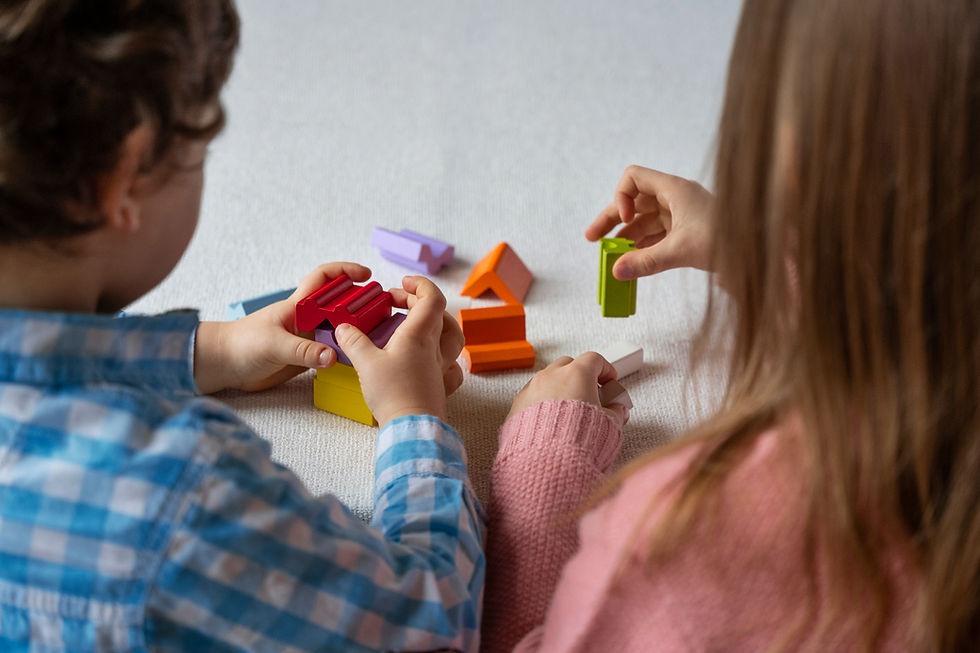
1. Free Choice: art supplies, books, LEGOs
2. Movement: outdoor play, yoga cards, dance breaks
3. Family Connection: board games, cooking, shared projects
Children choose one activity from each category daily. This supports independence while reducing the constant “I’m bored” cycle.
Protect Your Own Nervous System
Parenting stress during summer is real and deeply physical. When parents are overwhelmed, patience shortens and conflict escalates more quickly.
Even 15 minutes of intentional quiet during the day can help regulate your own stress response. Children often co-regulate emotionally with the adults around them, meaning your calm directly influences theirs.
Understanding Sibling Rivalry
One of the most common concerns parents raise during summer is constant sibling conflict. Some fighting is completely normal and even healthy. Children learn negotiation, boundaries, and emotional repair through conflict.
However, when arguments become daily, aggressive, or emotionally cruel, it may signal deeper stress or dysregulation.
Most sibling fights are not truly about the toy, remote control, or screen time. Underneath the conflict is often a deeper question:
“Who matters more?”
Children frequently compete for attention, fairness, power, and emotional security within the family system.
Common Sibling Conflict Patterns
Conflict Trigger | Root Cause | Resolution Tool |
Fighting over screen time | Perceived unfairness & competition | Family media schedule with visual timer |
Name-calling & teasing | Seeking power or attention | "Impact words" family rule + natural consequence |
Physical aggression | Dysregulated nervous system | Calm-down kit + repair conversation after |
Tattling constantly | Need for parental validation | "Tattletale vs. telling" lesson + praise honesty |
Jealousy over attention | Fear of not being enough | Special daily 1:1 time with each child |
Practical Conflict-Resolution Tools
Use the “Pause and Name” Method
Instead of immediately deciding who is right or wrong, pause the interaction first.
Try saying:
“I can see both of you are frustrated right now. Let’s take a minute before we talk.”
This brief pause helps calm the nervous system and gives children time to regain emotional control.
Choose Side-by-Side Conversations
Children are often more open when they are not sitting face-to-face during conflict discussions. Sitting beside a parent on the couch, steps, or in the car can reduce emotional intensity and create a greater sense of safety.
Teach “Fair Doesn’t Mean Equal”
One of the most effective family mantras is:
“Fair doesn’t mean everyone gets the same thing. Fair means everyone gets what they need.”
This helps reduce the comparison mindset that fuels many sibling arguments.
When Summer Challenges Require Professional Help
Sometimes routines and parenting strategies are not enough and that is not a parenting failure. Some children need additional support due to anxiety, trauma, sensory sensitivities, or emotional regulation difficulties.
Consider contacting a child therapist if your child is:
Having daily meltdowns lasting longer than 30 minutes
Showing physical aggression toward others or themselves
Experiencing major sleep or appetite changes
Regressing in behavior (bedwetting, thumb-sucking)
Expressing hopelessness or persistent sadness
Withdrawing from friends or favorite activities
Early support can significantly improve emotional regulation and family functioning.
What Is Child-Centered Play Therapy?
Children process emotions differently than adults. They often cannot fully explain their feelings verbally, but they can express them through play.
Play therapy for behavioral problems is an evidence-based therapeutic approach where children use toys, art, sand trays, storytelling, and imaginative play to process emotional experiences safely.
Research strongly supports this method. A landmark meta-analysis of 93 controlled studies published in Professional Psychology: Research and Practice found that play therapy produced a large treatment effect size of 0.80 standard deviations, comparable to many established adult therapies.
In play therapy, children externalize feelings such as anxiety, anger, fear, or stress through symbolic play rather than direct conversation. This allows therapists to help children process emotions in developmentally appropriate ways.
Tree of Life Counseling & Consulting offers child-centered and trauma-informed play therapy for children ages 3–12 experiencing summer stress, sibling conflict, behavioral concerns, and emotional dysregulation.
A Final Word for Parents
Summer can feel exhausting, chaotic, and emotionally draining for families. But it can also create opportunities for deeper connection, repair, and emotional growth.
The fact that you are looking for ways to better support your child already says something important: you care deeply.
Children do not need perfect parents. They need emotionally available adults who are willing to repair after hard moments, create safety, and seek support when needed.
At Tree of Life Counseling & Consulting, families are reminded every day that behavioral struggles are not signs of failure, they are signals that a child may need more support, structure, or connection.
Every therapist at Tree of Life brings both clinical expertise and a deep personal commitment to the families of Lafayette, LA.
Ready to take the first step? Reach out to us to schedule a consultation. You don’t have to white-knuckle your way through the rest of summer. Help is close.
Frequently Asked Questions
Q1: How do I know if my child’s behavior is normal summer frustration or something more serious?
If meltdowns are intense, happen daily, last longer than 30 minutes, or include aggression or regression, professional support may help. Frequency, intensity, and duration are key indicators.
Q2: Is sibling rivalry normal?
Yes, sibling conflict is developmentally normal. It becomes concerning when it consistently involves physical aggression, emotional cruelty, or severe daily conflict.
Q3: What makes play therapy different from regular therapy?
Play therapy uses play as the child’s natural language. Instead of relying only on conversation, children express emotions through toys, art, and imaginative activities.
Q4: How quickly does play therapy work?
Many families notice positive shifts within 8–12 sessions, though every child’s timeline is different. Consistency and family involvement often improve outcomes.
Q5: Can parents get support too?
Absolutely. Parenting stress is real, especially during summer. Supporting parents emotionally often improves the entire family system because children co-regulate with caregivers.




Comments